Crete

Mady – Crete is an island full of mountains and a beautiful coastline.
Jade – It has been hot here, about 29 degrees Celsius each day.
Jade – While in Crete, we went to the biggest water park in Greece as part of my birthday present. There were so many different water slides, my favourite was the Toilet! You sit in a tube and you go down a big “bowl” and you swirl around and then down a hole into a pool (like you are getting flushed!)
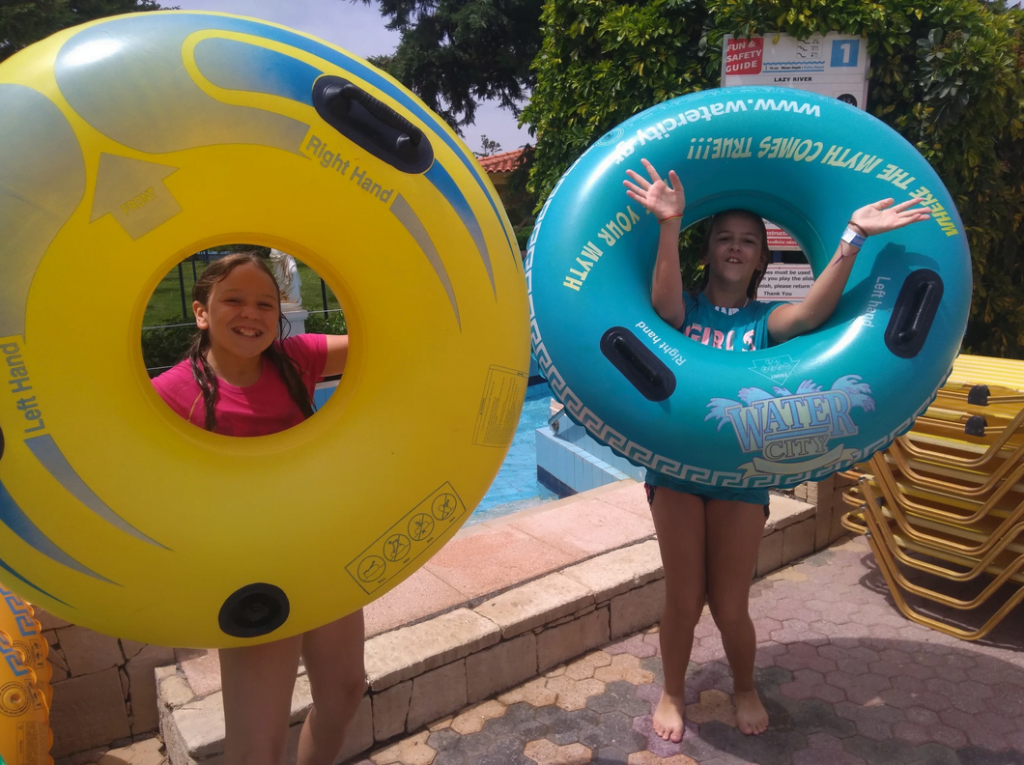
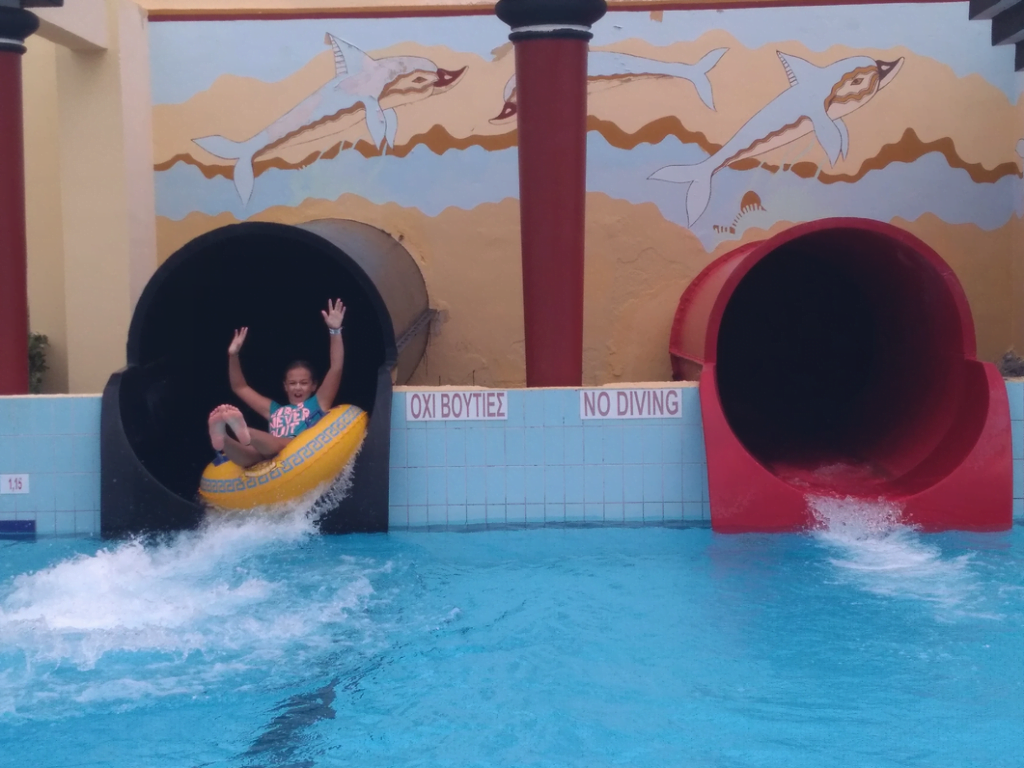
Mady – going on the Toilet ride with Jade was so much fun! I also went on a whole bunch of other thriller rides. One of them was a zip line that was high off the ground over a wave pool. When the lifeguard blew her whistle you had to drop down into the pool.
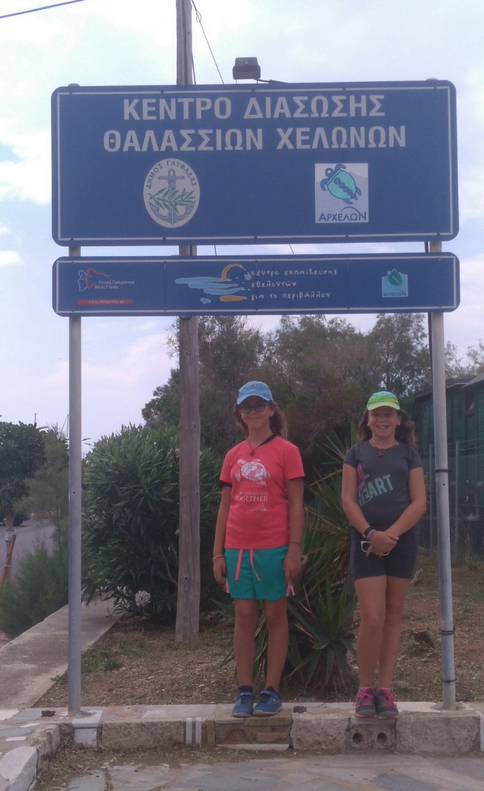
Jade – In Crete we also met up with the organization Archelon Sea Turtle Protection Society of Greece. They work to rescue and support Sea Turtles.
Here are some facts:
- The turtles most often seen in this area are Loggerhead turtles
- Their eggs are the size of ping pong balls and very round, they are squishy and fragile
- When the eggs hatch, the shell is soft and the turtle has to get to the ocean
- It is very hard to survive in the ocean because big fish and birds can eat them
- The sea turtles have to wait 7 years for their shell to harden and they are very vulnerable during this time
- It takes them 25 years to fully mature, once they mature they can lay their own eggs
- One out of 1,000 eggs makes it to the ocean and survives to adult maturity
Mady – The sea turtle moms are very picky where to lay their nest, because if they bump into things on the beach, such as lounge chairs, they will get confused and go the other way and lay their eggs in the ocean where the eggs will be lost.
Jade – It is a bad idea to leave lounge chairs on the beaches where they lay their eggs, because sea turtle mommas have to lay their eggs where they won’t get flooded. Also, lamp posts near the beach should be turned off after 7 pm because that is when the sea turtles hatch and they are blind and they follow the light of the moon towards the ocean. If they think that the lamp posts are the moon and follow that, the baby turtles will get lost, trampled or dehydrated.
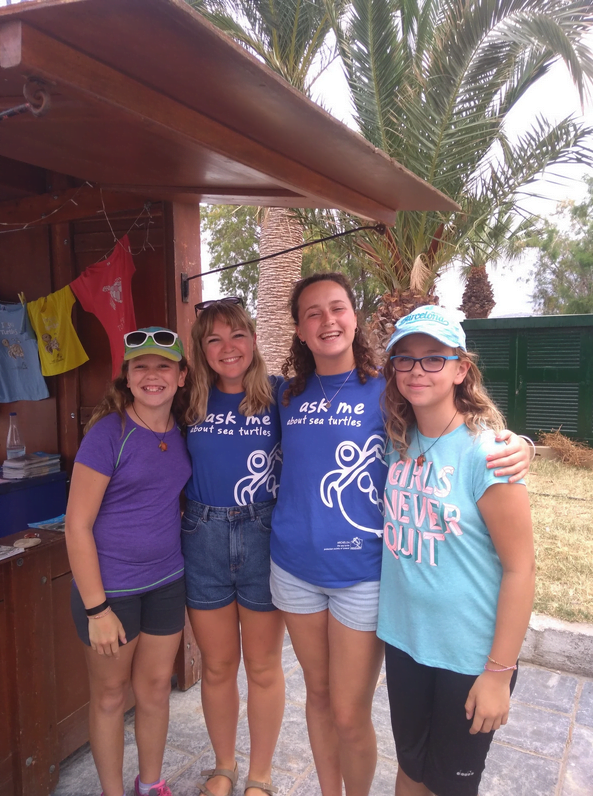
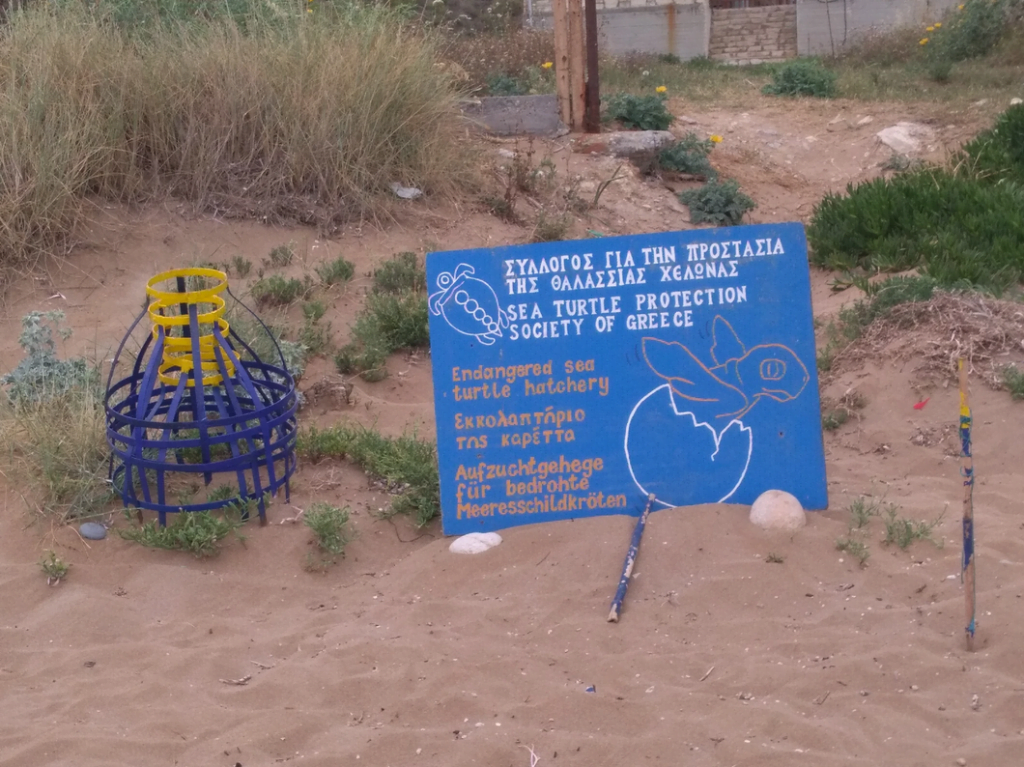
Mady – We learned all of this information by two volunteers raising awareness with Archelon. They work every day starting at 5 am to help the turtles. They told us that if the nest is in an unstable area, the volunteers have to relocate the nest, which is a difficult process because they take the eggs in the order that they were specifically laid in and do that pattern over again. In each nest there are 50 – 100 eggs.
The volunteers were very friendly and we are trying to help them raise awareness about sea turtles. To find out more information, please go to http://www.archelon.gr/ and support the sea turtles!
In the future I will definitely be volunteering and I hope to see everyone again. Thank you to Eve and Holly for going out every day and helping the sea turtles and doing what is good.
Jade – I’m really excited to visit the Sea Turtle Rescue Centre when we are in Athens. I’ve always loved marine animals.
Athens
Jade – We went to the Acropolis! There are different structures just the way there are different buildings in a city. The biggest structure is the Parthenon.
Mady – The Parthenon is 2464 years old!! It is a UNESCO World Heritage Site (this means the area is protected by the government and can’t be changed or torn down because it is a big part of history.) It was very hot when we were walking up the hill. On the way up, we saw the Dionysus (God of Wine) Ampetheatre. My mom overheard a tour guide talking saying how people today build a stadium to last 20 years, but the Greeks built one that lasted over 2000 years!
At the top of the hill is the Propylea, which is a mini Parthenon, which is the entrance preparing guests for the real Parthenon. It is one of the most famous structures in Greece, where Greek mythology started, and inspired the Percy Jackson series.
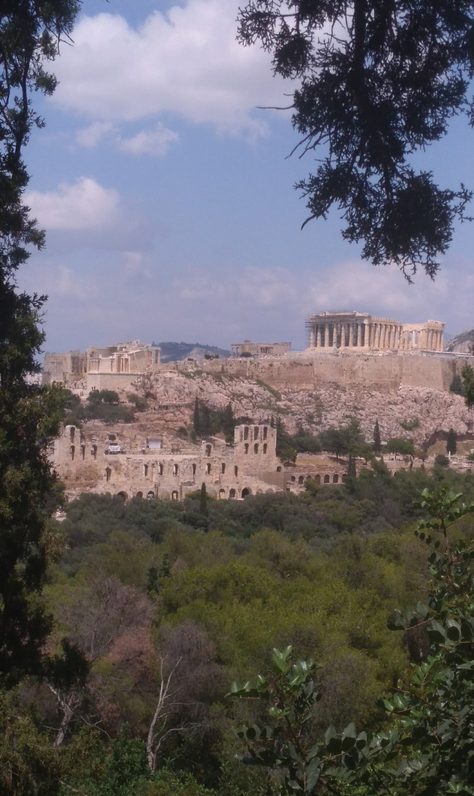
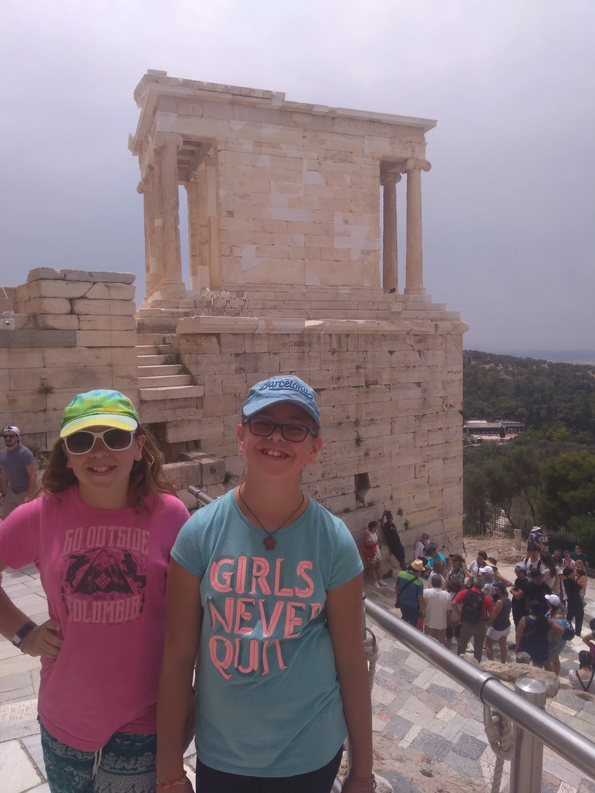
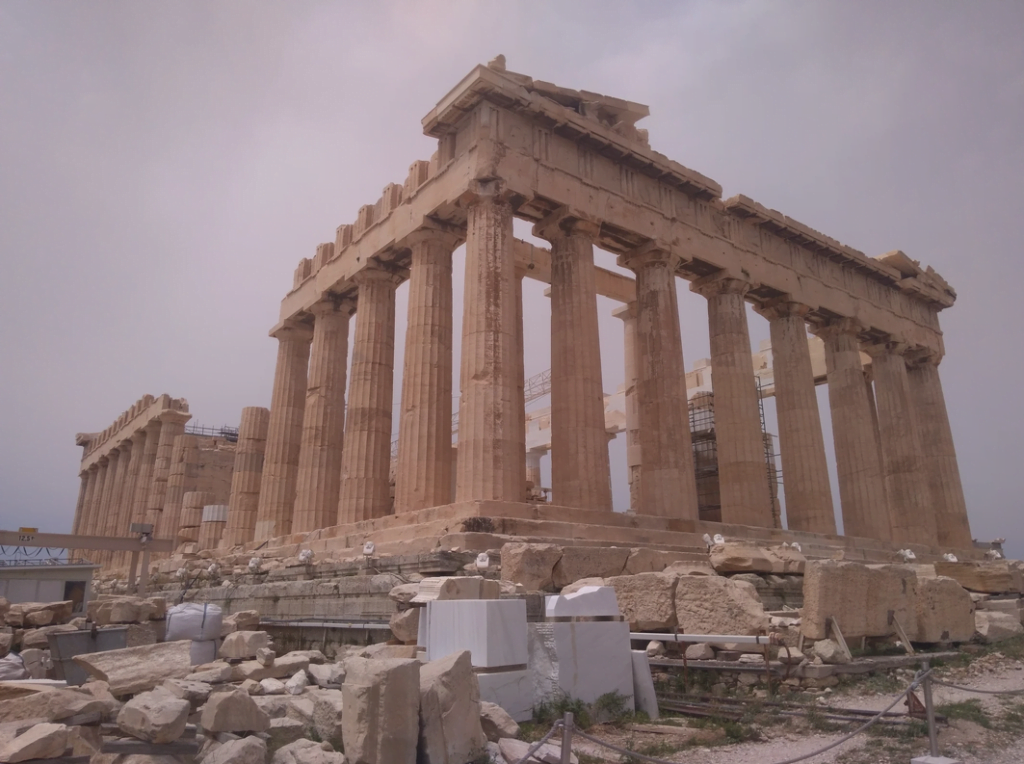
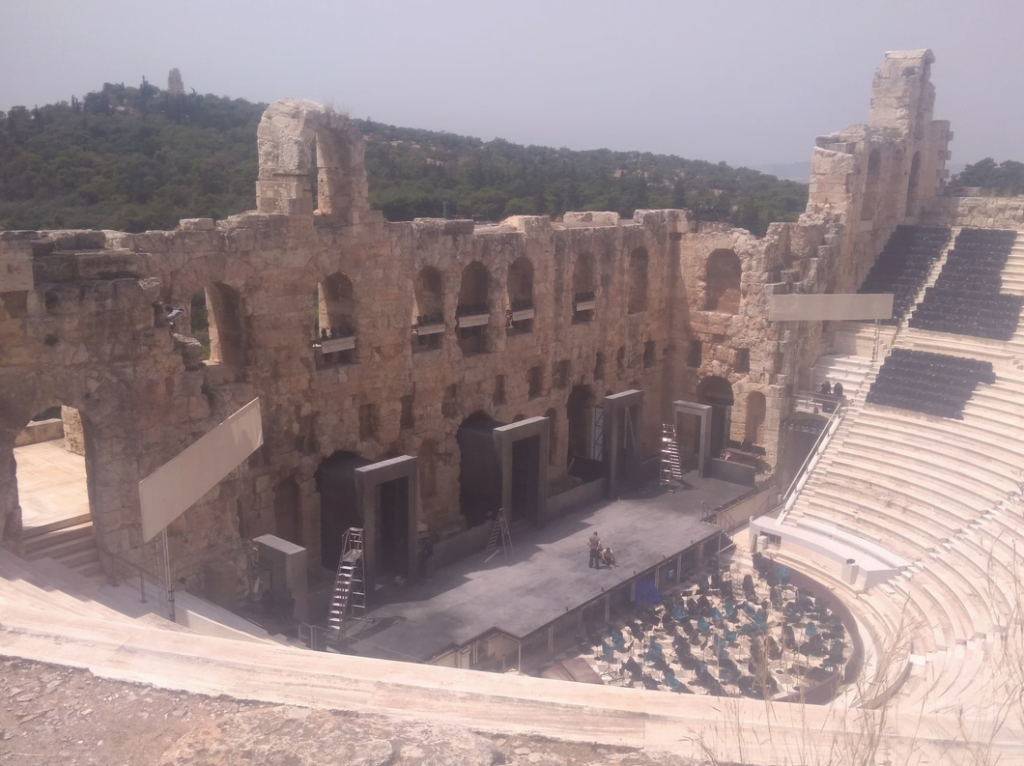
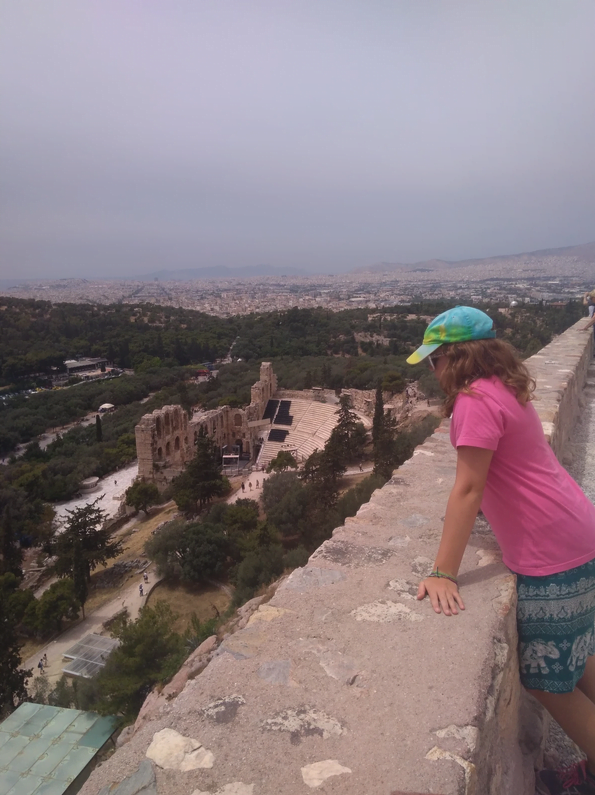
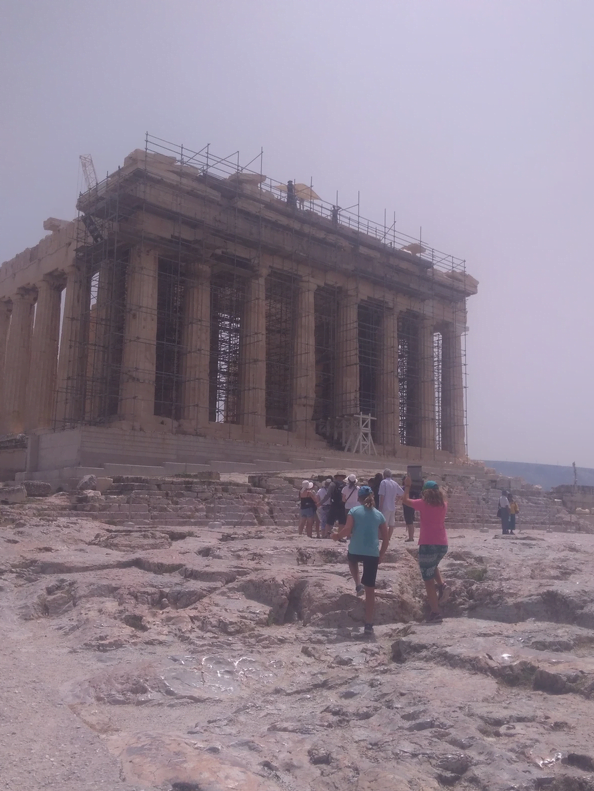
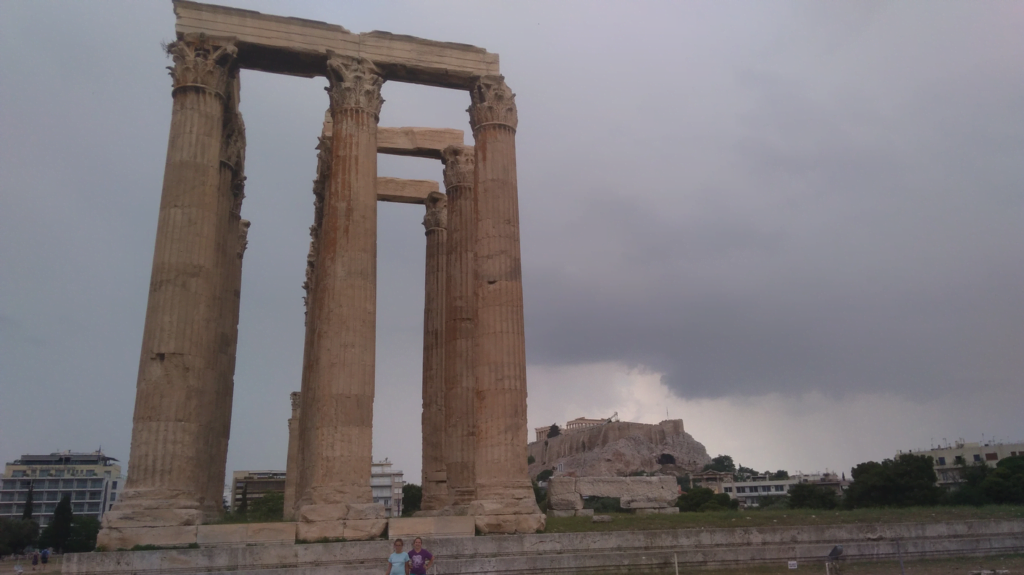
I skyped my friend Greydon, who is also a Percy Jackon/Greek mythology fan so he could see the Parthenon too.
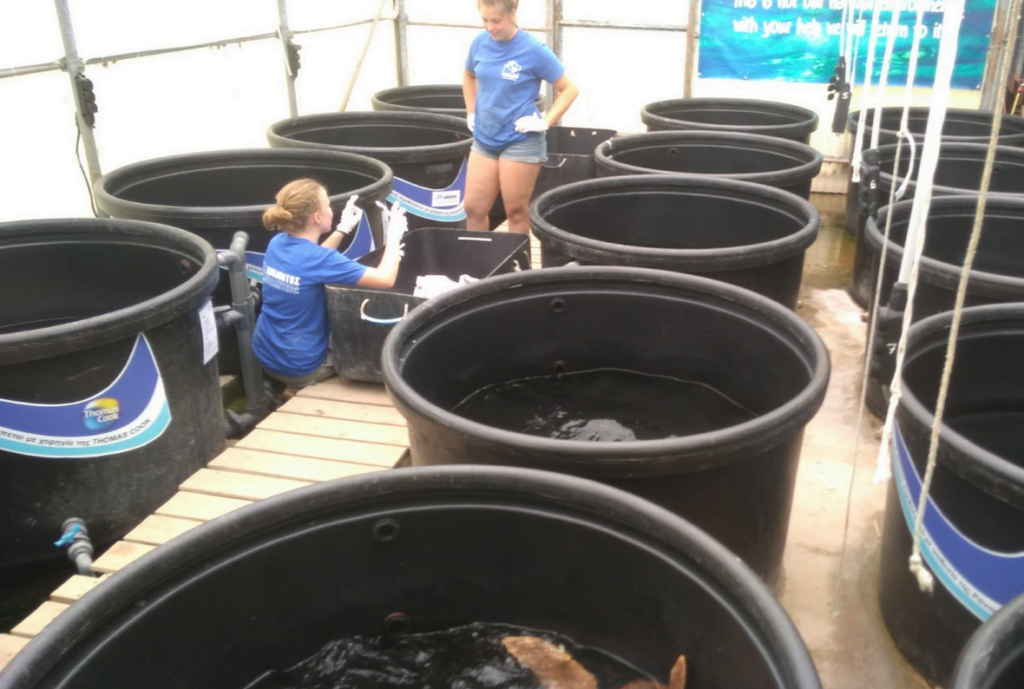
Mady – In Athens, we went to the Archelon Sea Turtle Rescue Centre where we got to meet turtles. You don’t get to touch them because they want to keep things as natural as possible for them.
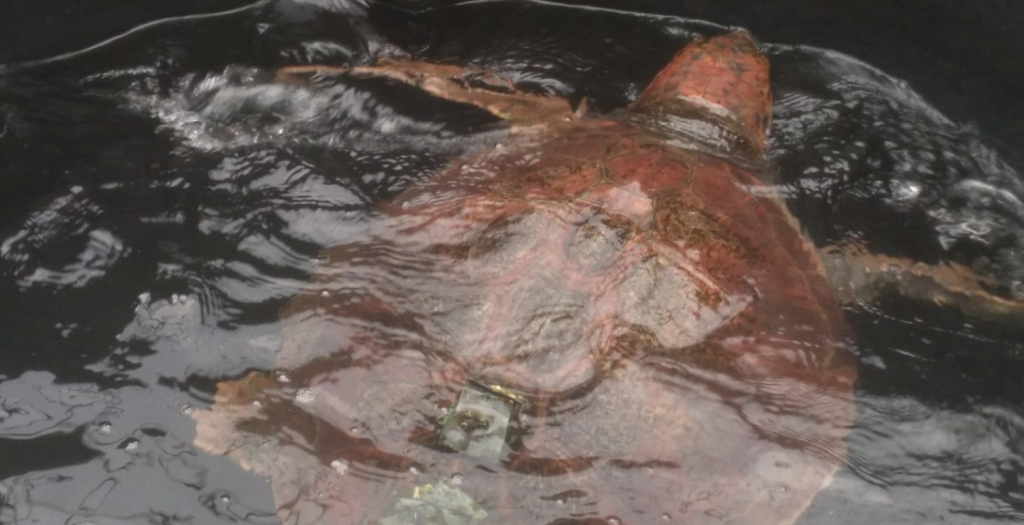
Jade – I was really excited to see the sea turtles. We learned that lots of injuries can happen to the turtles because of fishing, tourism, and pollution – they can go blind, lose a flipper, and swallow things. At the centre, they are helping the
turtles to recover. They don’t put two turtles in a tank because they are very territorial. They showed us a map of all of the projects they are doing in Greece (like protecting nests that we saw in Crete). There are 50 volunteers from different countries working at the centre.
Mady – Sometimes the turtles get hit by boats and get a concussion and afterwards their balance is off. The volunteers put weights on the turtles while they recover so that they get their balance back. They also track the turtles so after they release them they know where they travel to.
Jade – One turtle got hit by a boat and she got confused she accidently laid her eggs in the water. Once the eggs touch the water it is too late, you can’t put them in the sand to make them hatch.
Mady – the eggs need to be in sand, because the sand acts as an insulator to keep them warm.
Jade – I bought an Archelon T-shirt and my donation helped buy two packages of fish and help two injured sea turtles.
Santorini
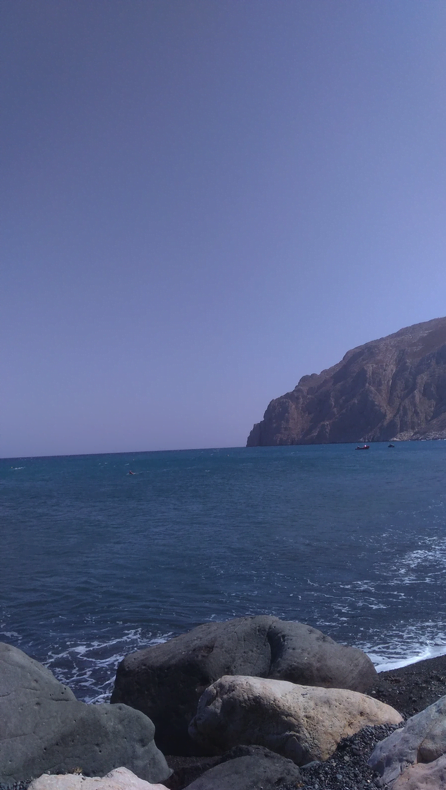
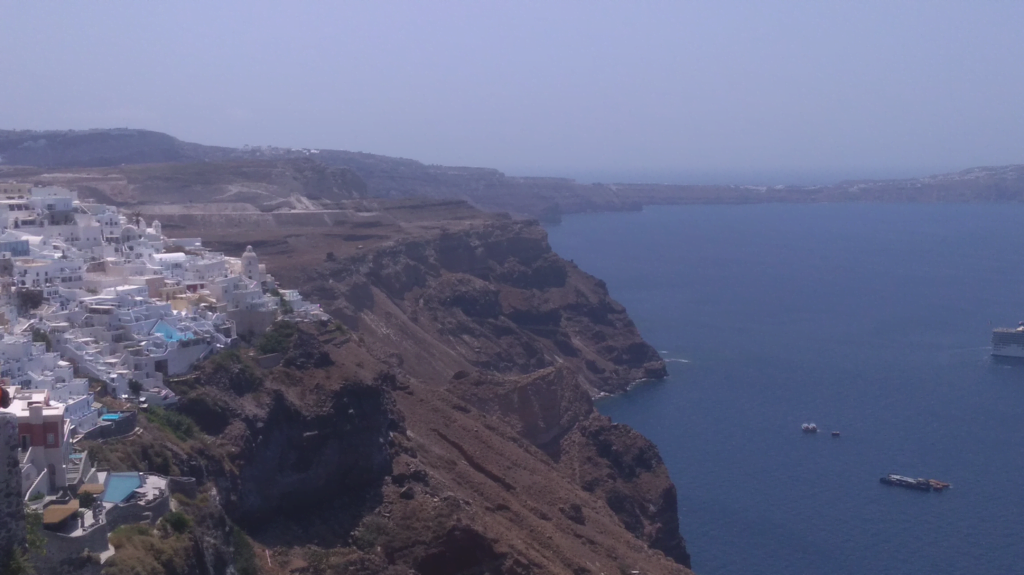
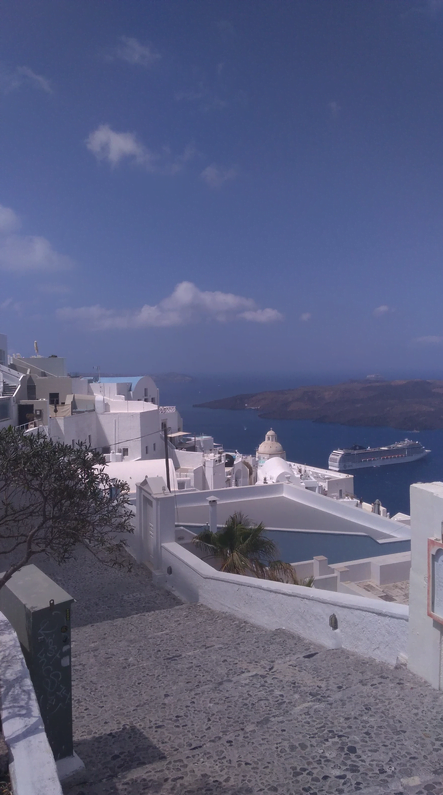
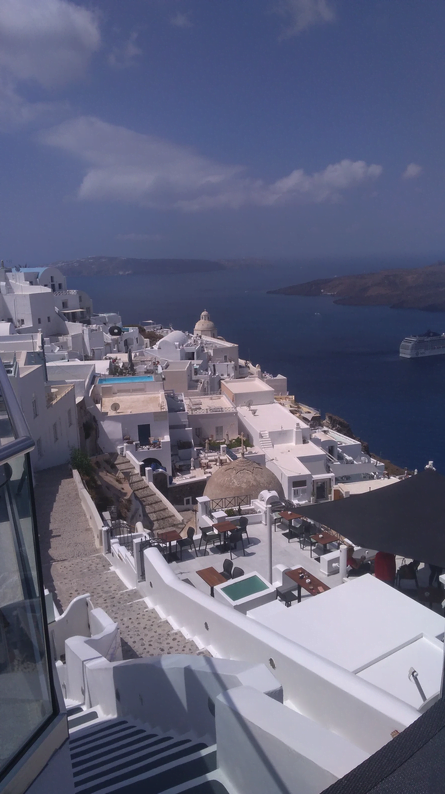
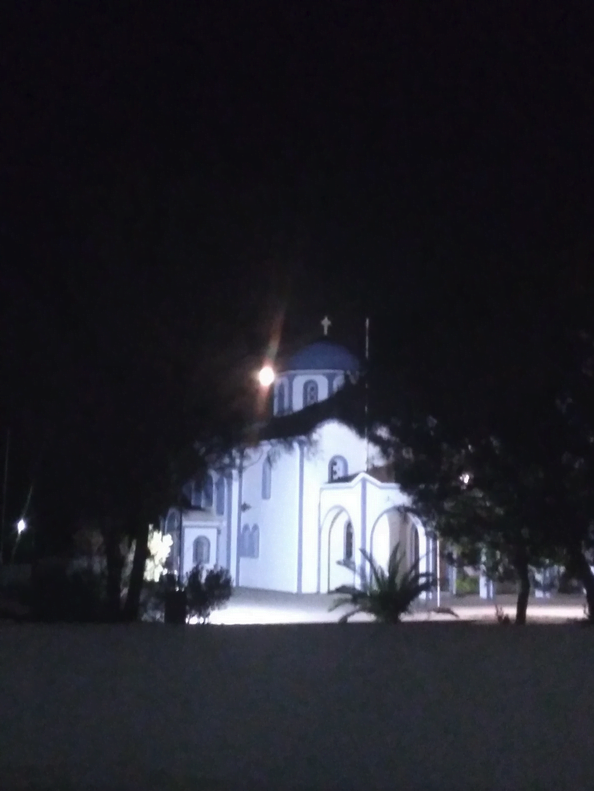
Mady – Santorini is an island that is beautiful, warm, windy, and has clear water. Last night was a harvest moon and the moon over the ocean was so beautiful.
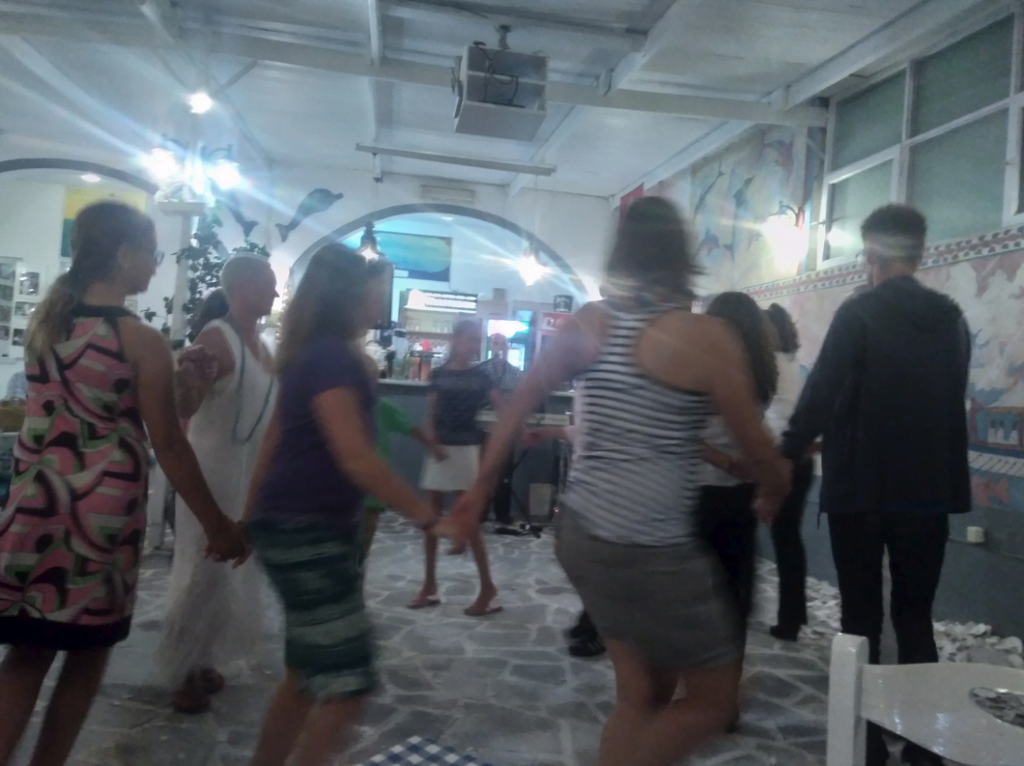
Mady – We had fun at a Greek restaurant that had traditional Greek music and Greek dancing. We also got to smash plates and that was so exciting! When people smash the plates they yell “Opa!”, which means ‘oops’ but in a festive not accidental way. The tradition of smashing plates comes from rich people inviting poor people over for dinner and allowing them to smash plates (friendship being more important than dishes). See video below.
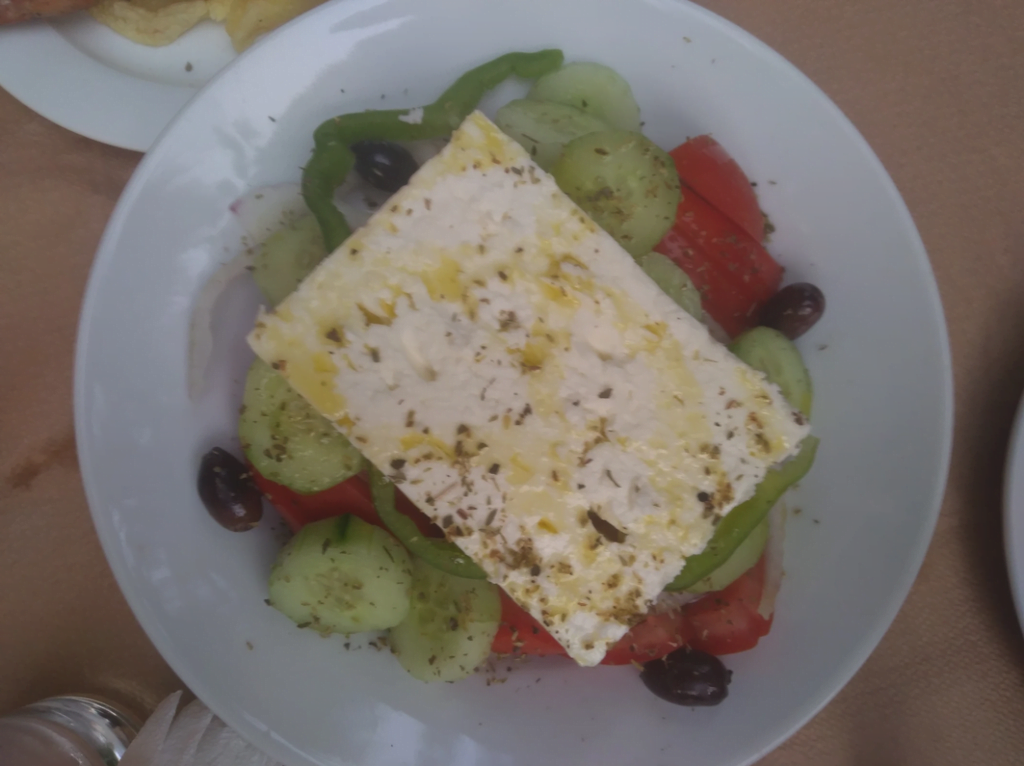
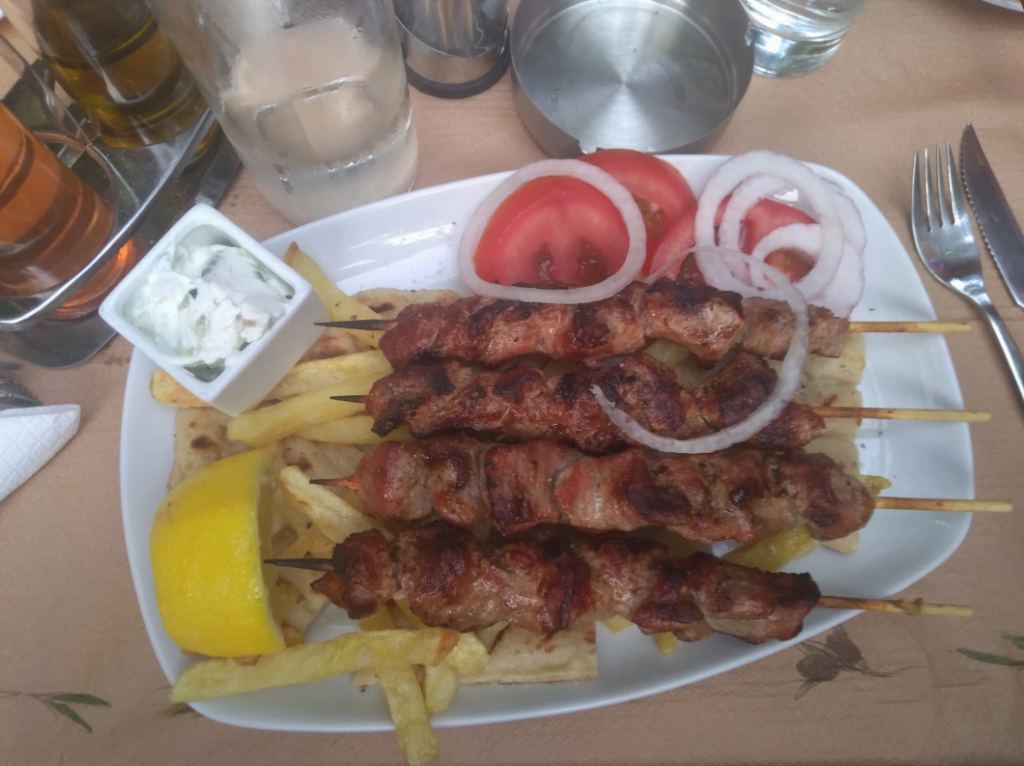
Jade – In Greece, we have eaten a lot of pork and chicken souvlaki (skewers with meat), tzatziki, and greek salad (with cucumbers, tomatoes, olives, feta cheese, and olive oil).
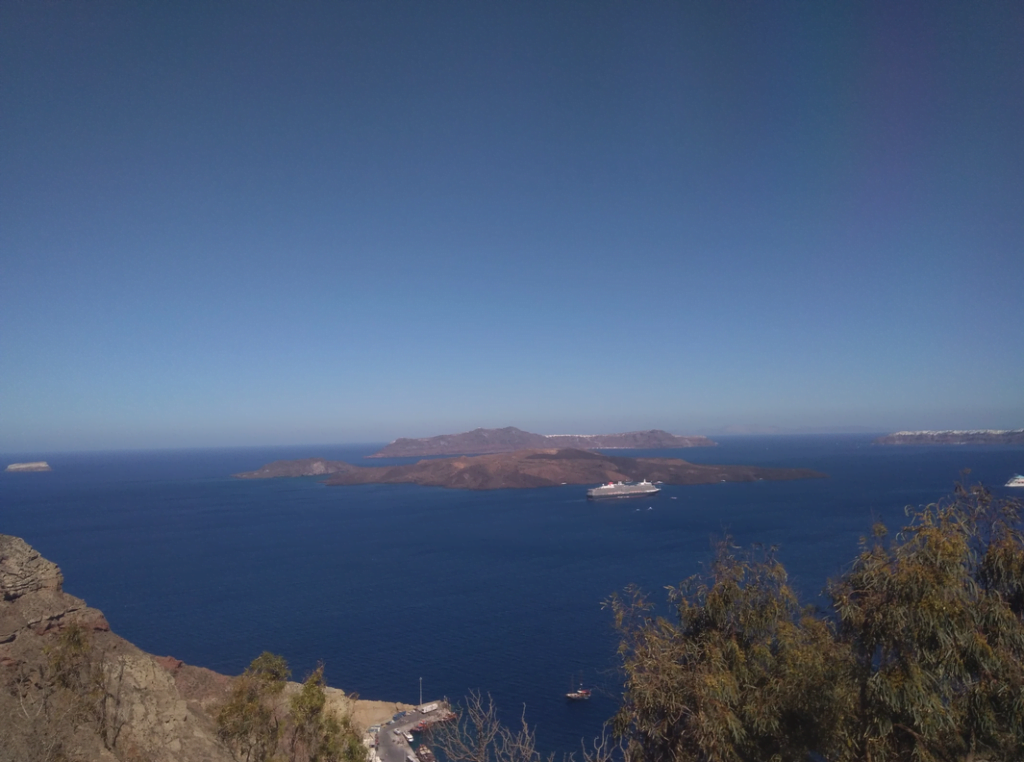
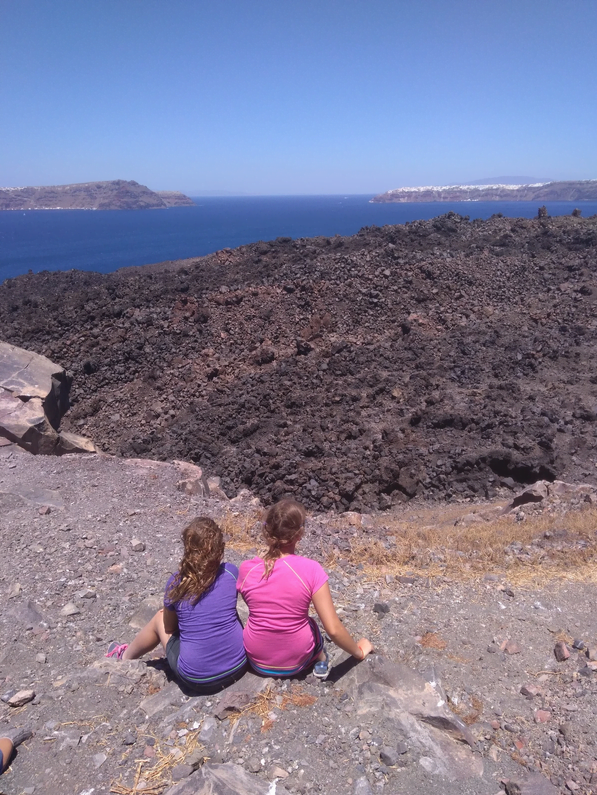
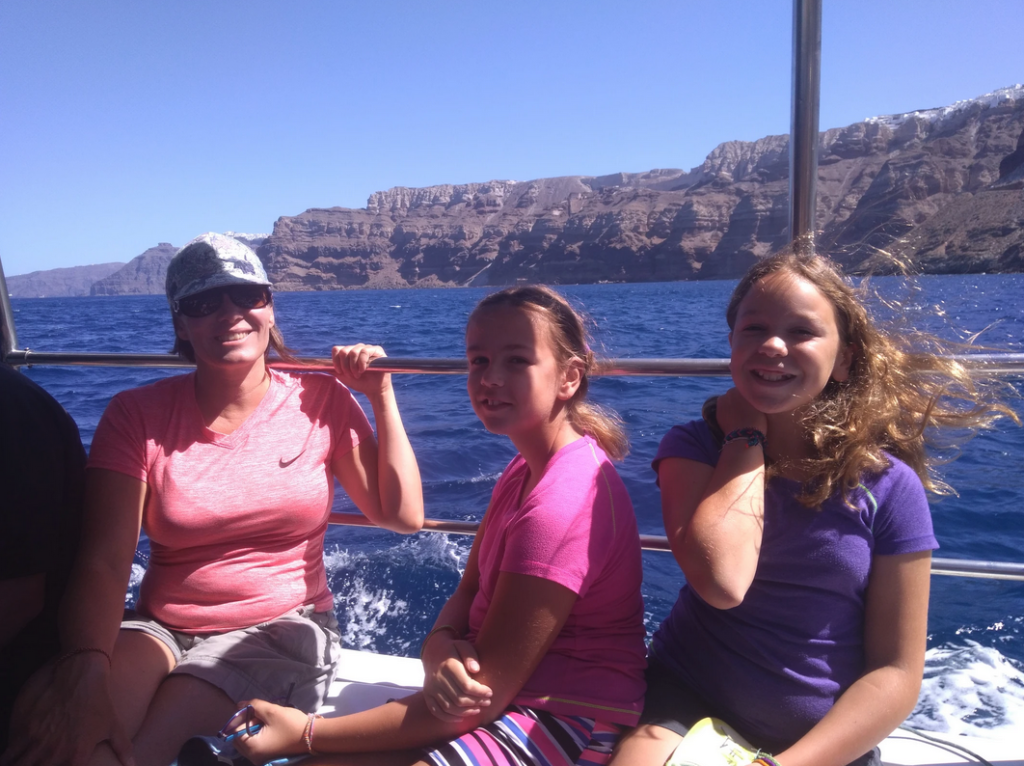
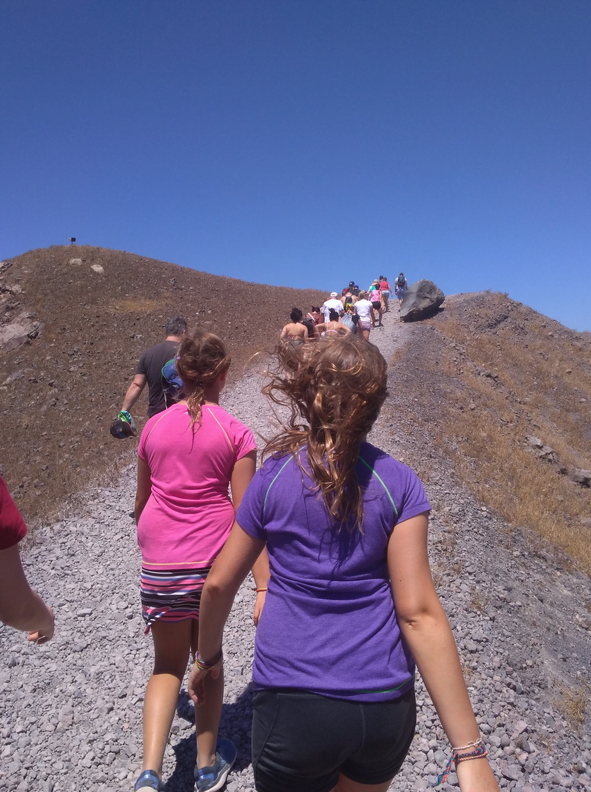
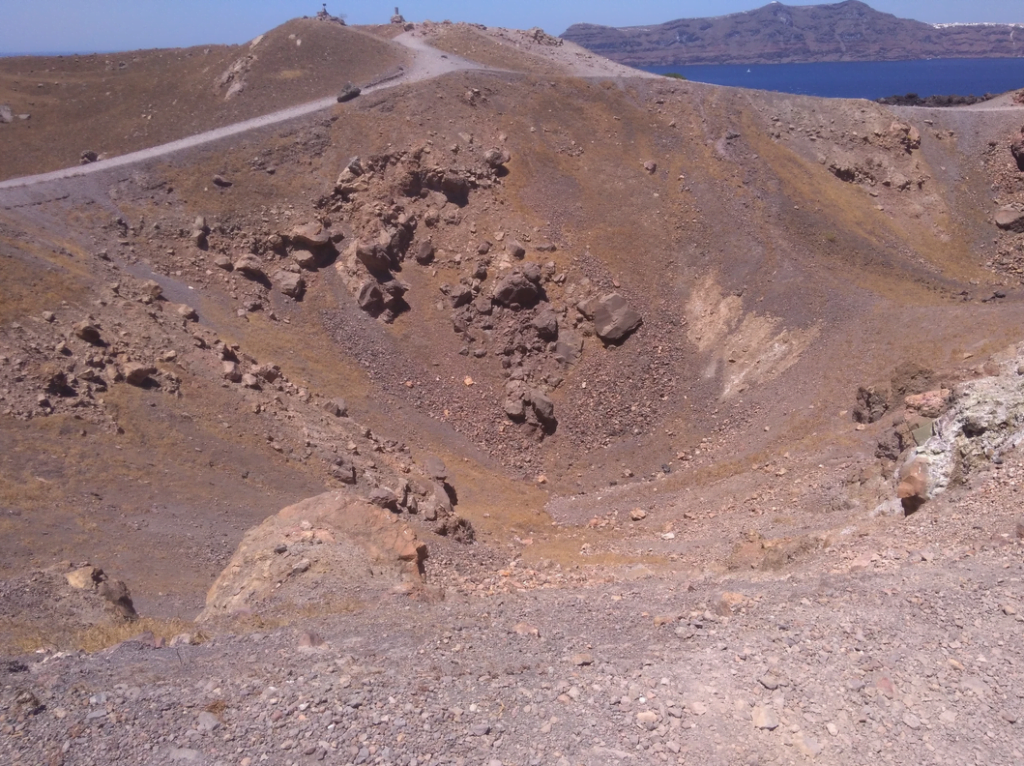
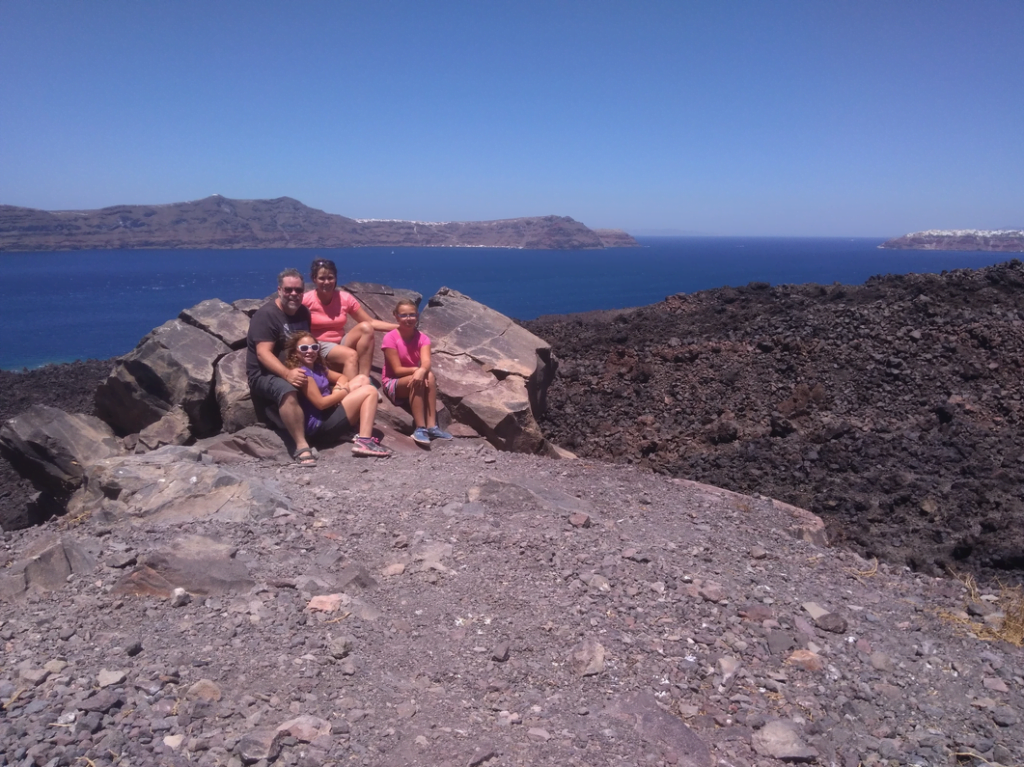
Jade: We went to see an active volcano. Even though it was the youngest volcano on the islands, it was made (through an eruption) in 1702. We took a boat ride to get there as it was an independent island. One word to describe the island would be: rocks. There were no trees, no sand, no anything. It looked like a big pile of rocks and nothing else. We went to the craters and you could see smoke coming out which means it could erupt in a day, week or months. The status of an eruption is first it smokes for a period of time, and then the smoke gets thicker and thicker and then a little tiny bit of lava spews up for hours and then a big eruption comes of ash and then the lava comes with the magma. It covers the entire island in lava. Since it is an island it is surrounded by water – so the island gets biggger and bigger because the lavaflows into the water which creates rock.
Bonus fact: All of Santorini is a big active volcano (but it hasn’t erupted in hundreds of years!)
Mady: When we went up the volcano, the guide dug a hole, and we were so close to the source of the lava (magma) that the deeper he dug, the more smoke and hotter it would get (and he only dug down like 6 inches!)
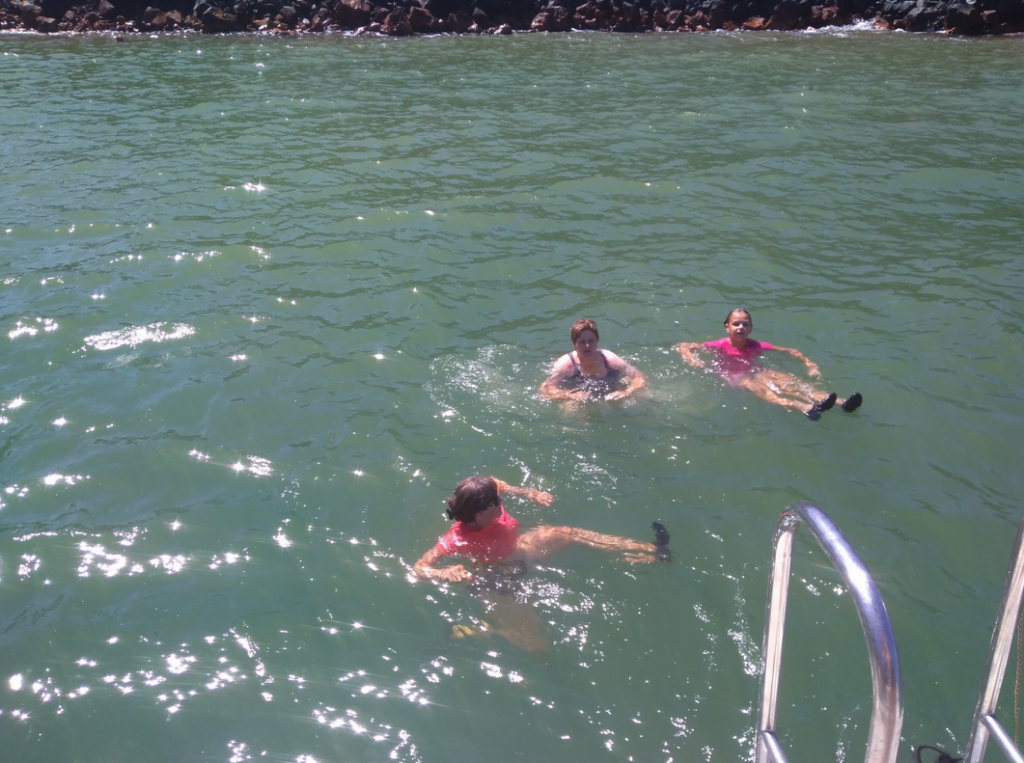
Mady: We also swam in hotsprings near the waters surrounding the volcano. I wasn’t going to go in at first, but it was nice. The hotsprings are heated by the volcano and the hot water collides but doesn’t mix with the cooler sea water. The water was also really salty!